Affiliate Disclosure: This post contains affiliate links. If you purchase through my links, I may earn a commission at no extra cost to you. I only recommend products I genuinely use or have thoroughly researched.
Last updated: April 2026
Best VPN for Beginners in 2026: Simple, Safe, and Actually Worth It
Quick verdict: The best VPN for beginners in 2026 is Proton VPN — it’s easy to set up, genuinely private, and has a free plan with no data limits. If you want more servers and extra features, NordVPN and Surfshark are also excellent beginner-friendly options.
If you’ve never used a VPN before, the options can feel overwhelming. There are hundreds of providers, all making bold claims about speed, security, and privacy. Most of them are confusing to set up, full of technical jargon, or — honestly — not worth your money.
This guide cuts through all of that. I’ve picked the best VPNs specifically for people who are new to this — ones that are simple to install, easy to use, and actually protect your privacy.
What Is a VPN and Do You Actually Need One?
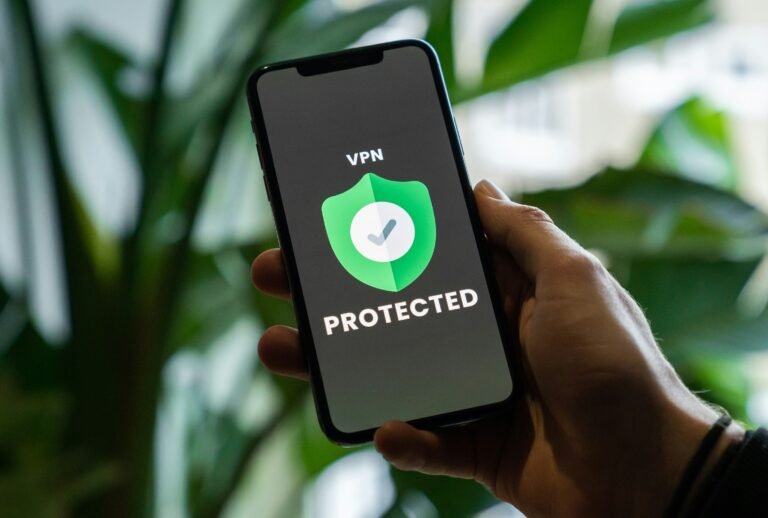
A VPN (Virtual Private Network) encrypts your internet connection and hides your IP address. In plain English: it makes it much harder for anyone — your internet provider, advertisers, or hackers on public Wi-Fi — to see what you’re doing online.
You probably need a VPN if you:
- Use public Wi-Fi in cafés, airports, or hotels
- Want to keep your browsing private from your internet provider
- Want to access content that’s restricted in your country
- Work remotely and handle sensitive files
- Just value your digital privacy
You probably don’t need a VPN if you only browse at home on a trusted network and aren’t concerned about privacy. But for most people in 2026, a VPN is a smart and affordable layer of protection.
What to Look for in a Beginner-Friendly VPN
Not all VPNs are created equal — and for beginners, certain things matter more than others:
- Easy setup — one-click connect, no technical configuration needed
- No-logs policy — the VPN should not store records of your activity
- Kill switch — automatically cuts your internet if the VPN drops, preventing data leaks
- Fast speeds — a slow VPN defeats the purpose
- Multi-device support — covers your phone, laptop, and tablet
- Transparent ownership — avoid VPNs owned by shady companies you’ve never heard of
The 3 Best VPNs for Beginners in 2026
1. Proton VPN — Best VPN for Beginners Overall
Proton VPN is my top pick for beginners, and it’s not close. It was built by the same Swiss team behind Proton Mail — a company with a decade-long track record of genuine privacy. Unlike most VPN providers, Proton VPN is fully open-source, meaning anyone can inspect its code for security flaws.
What makes it perfect for beginners is the app. It’s clean, minimal, and takes about 30 seconds to set up. You hit connect — and you’re protected. There’s no learning curve.
Standout features:
- Free plan with no data limits — rare and genuinely useful
- Swiss-based — outside EU and US jurisdiction
- Open-source and independently audited
- NetShield — built-in ad and malware blocker
- 10 Gbps servers for fast streaming
- Up to 10 devices simultaneously
- Works on Mac, Windows, iOS, Android, and Linux
Pricing:
| Plan | Monthly Cost | Billed As |
|---|---|---|
| Free | €0 | Free forever |
| VPN Plus (2-Year) ⭐ Best value | €1.00/month* | Billed every 2 years |
| VPN Plus (Annual) | €3.99/month | €47.88/year |
*Introductory price. Renews at €9.99/month after the first month on monthly billing.
Who it’s for: Anyone new to VPNs who wants a trustworthy, easy-to-use option — especially if you want to start free.
2. NordVPN — Best for Features and Speed
NordVPN is the most well-known VPN in the world — and for good reason. It’s fast, packed with features, and the app is genuinely beginner-friendly despite its depth. It has over 7,000 servers in 118 countries, which means you’ll almost always find a fast connection wherever you are.
The one-click connect button makes it as simple as Proton VPN to use day-to-day. But under the hood, you get more advanced features like Threat Protection (blocks ads, trackers, and malware), Double VPN, and Onion Over VPN for extra privacy.
Standout features:
- 7,000+ servers in 118 countries
- Threat Protection — blocks ads and malware
- NordLynx protocol — very fast
- Up to 10 simultaneous devices
- 30-day money-back guarantee
- Audited no-logs policy
Pricing:
| Plan | Monthly Cost | Billed As |
|---|---|---|
| Monthly | €12.99/month | Monthly |
| 1-Year | €4.99/month | €59.88/year |
| 2-Year ⭐ Best value | €2.99/month | €71.76 total |
Who it’s for: Beginners who want the most feature-rich VPN with a massive server network and excellent speeds.
3. Surfshark — Best for Value and Unlimited Devices
Surfshark is the best budget option for beginners — and its killer feature is unlimited simultaneous devices. One subscription covers every device you own, forever. That’s genuinely unusual in the VPN market.
The app is clean and simple, speeds are solid, and it comes with CleanWeb — a built-in ad and tracker blocker. For the price, it’s hard to beat.
Standout features:
- Unlimited devices on one account
- 3,200+ servers in 100 countries
- CleanWeb — ad and tracker blocker
- 30-day money-back guarantee
- Audited no-logs policy
Pricing:
| Plan | Monthly Cost | Billed As |
|---|---|---|
| Monthly | €10.99/month | Monthly |
| 1-Year | €2.79/month | €33.48/year |
| 2-Year ⭐ Best value | €1.78/month | €42.72 total |
Who it’s for: Budget-conscious beginners or families who want to cover multiple devices without paying per device.
Quick Comparison: Best VPNs for Beginners 2026
| VPN | Starting Price | Free Plan | Devices | Best For |
|---|---|---|---|---|
| Proton VPN | €1.00/mo | ✅ Yes (unlimited) | 10 | Privacy-first beginners |
| NordVPN | €2.99/mo | ❌ No | 10 | Features and speed |
| Surfshark | €1.78/mo | ❌ No | Unlimited | Budget and families |
How to Set Up a VPN as a Beginner (Step by Step)
Setting up a VPN is easier than most people think. Here’s how it works with any of the three picks above:
- Sign up on the VPN’s website and create an account
- Download the app for your device (Mac, Windows, iPhone, Android)
- Log in with your account details
- Hit Connect — most apps have a big connect button on the home screen
- Choose a server if needed — or let the app pick the fastest one automatically
That’s genuinely it. You don’t need to configure anything technical. The app handles everything for you.
Final Verdict: Which VPN Should a Beginner Choose?
If you’ve never used a VPN before and want to start without spending any money — start with Proton VPN Free. It’s the only truly unlimited free VPN from a company you can actually trust. There’s no catch, no data cap, and no shady data selling.
If you’re happy to pay for a better experience, the Proton VPN 2-year plan at €1.00/month is exceptional value. For the most features and the fastest speeds, go with NordVPN. For unlimited devices on a budget, Surfshark wins.
All three have money-back guarantees, so you can try them risk-free.
Frequently Asked Questions
Is a VPN safe for beginners?
Yes — as long as you use a reputable provider like the ones listed here. Avoid free VPNs from unknown companies, as many of them make money by selling your data. Proton VPN’s free plan is a safe exception.
Will a VPN slow down my internet?
A small slowdown is normal, but with a good VPN it’s barely noticeable. NordVPN and Proton VPN both run speeds fast enough for streaming in 4K and video calls without issues.
Can I use a VPN on my phone?
Yes. All three VPNs recommended here have dedicated apps for iPhone and Android that are just as easy to use as the desktop versions.
Do I need a VPN at home?
At home, the risk is lower — but a VPN still prevents your internet provider from monitoring and potentially selling your browsing data. It’s a personal choice, but many people leave their VPN on 24/7.
What’s the difference between free and paid VPNs?
Free VPNs from unknown companies often make money by selling your data — defeating the whole purpose. Proton VPN’s free plan is trustworthy because they’re transparent about how they make money (paid subscribers). Paid VPNs generally offer faster speeds, more server locations, and extra features.